
A guide for families and friends of veterans and first responders
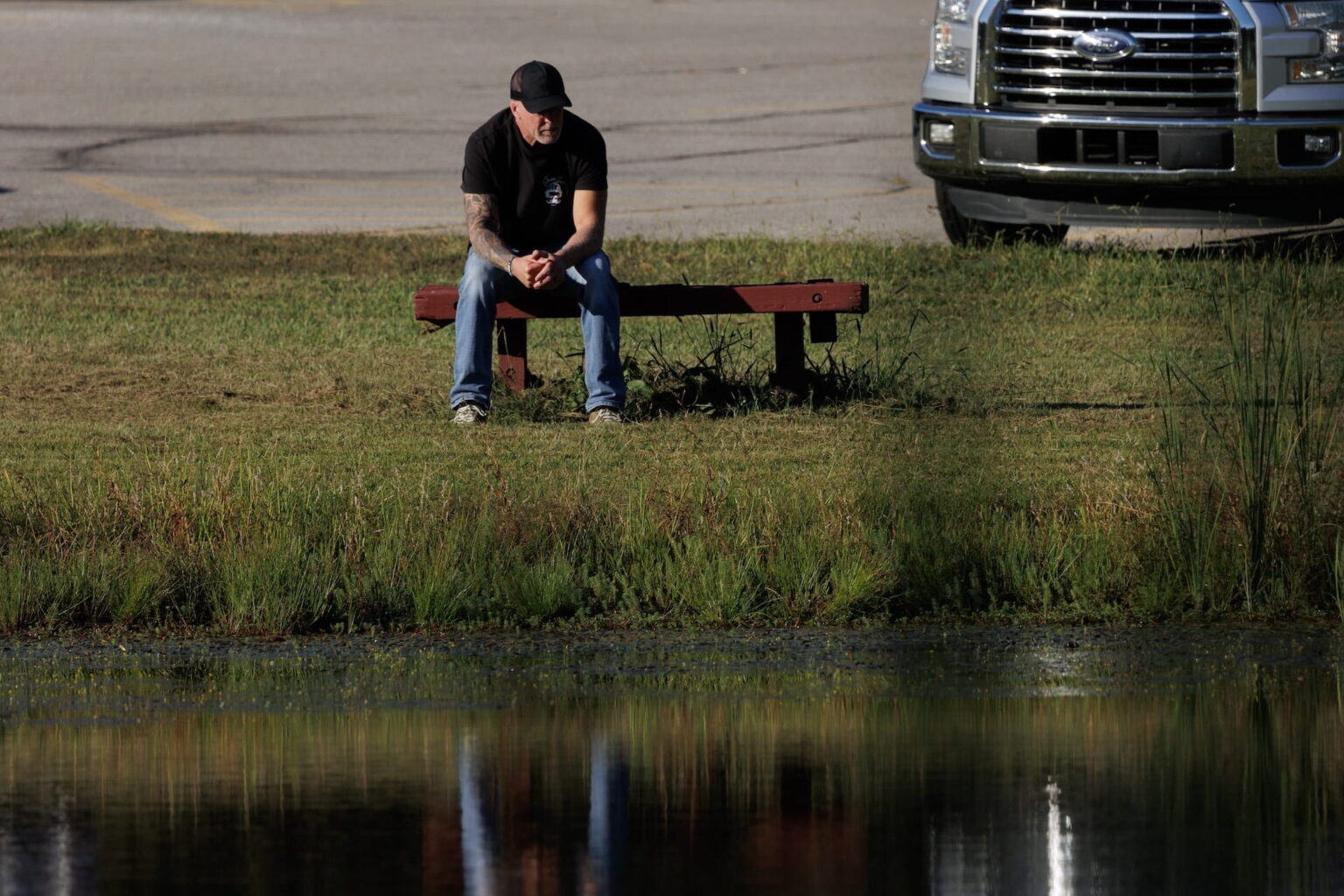
Some of the deepest wounds carried by veterans and first responders aren’t visible. They don’t show up on X-rays or medical charts, and they often go unnoticed by the outside world. These “invisible wounds”—combat trauma, cumulative stress, PTSD, moral injury, anxiety, and depression—are common among those who have spent years serving and protecting others.
For many warriors, the people closest to them are the first to sense when something isn’t right. If you’re a spouse, parent, sibling, or friend of a veteran or first responder, your awareness can make a life-changing—and sometimes life-saving—difference.
Struggle is not weakness. In many cases, it is the cost of service.
Table of Contents
Understanding the Invisible Wounds of Service
Military members and first responders are trained to run toward danger, suppress emotion, and complete the mission no matter the personal cost. Over time, repeated exposure to trauma, high-stress environments, and morally complex situations can take a toll.
These experiences may lead to:
- Post-traumatic stress
- Depression or anxiety
- Survivor’s guilt or moral injury
- A loss of identity or purpose after service
Unlike a physical injury, these wounds often worsen when ignored. Many warriors don’t even realize what they’re experiencing—or they believe they should be able to handle it on their own.
Common Signs a Warrior May Be in Crisis
This is not a checklist or a diagnosis, but patterns that loved ones often notice.
Emotional and Mental Changes
- Increased anger, irritability, or emotional numbness
- Hopelessness, shame, or persistent guilt
- Difficulty connecting emotionally or feeling joy
Behavioral Changes
- Withdrawal from family, friends, or activities they once enjoyed
- Increased alcohol or substance use
- Risk-taking behavior or sudden personality shifts
Physical and Sleep-Related Signs
- Chronic fatigue, insomnia, or recurring nightmares
- Hypervigilance or exaggerated startle responses
- Stress-related aches, headaches, or tension
Spiritual and Identity Struggles
- Feeling lost, purposeless, or disconnected
- Questioning deeply held beliefs or values
- Carrying unspoken guilt over past decisions or events
If several of these signs persist or intensify, it may indicate that your warrior is struggling more than they are willing—or able—to admit.
Why Warriors Often Don’t Ask for Help
Many veterans and first responders hesitate to speak up because:
- They were trained to be strong, self-reliant, and mission-focused
- They fear being seen as weak or broken
- They don’t want to burden their loved ones
- They believe no one who hasn’t been there could understand
Unfortunately, silence often deepens the struggle. Isolation feeds the belief that they are alone—and that belief can be dangerous.
How You Can Respond
Lead with compassion, not confrontation.
Your goal is connection, not correction. Avoid ultimatums or lectures. Create a safe space where they feel heard, not judged.
Listen more than you speak.
You don’t need to fix everything. Often, being present and willing to listen is more powerful than advice.
Choose language carefully.
Avoid minimizing statements like “It could be worse” or “Just try to move on.” Instead, remind them that seeking help is a sign of strength, not failure.
Stay patient—but stay engaged.
Healing rarely happens overnight. Progress may come in small, uneven steps, but consistency and support matter.
When to Take Immediate Action
If your warrior expresses thoughts of self-harm, hopelessness about the future, or a desire to disappear, take it seriously. If you believe they may be in immediate danger, act quickly by contacting emergency services or a crisis resource.
Intervening is not betrayal. It is an act of love.
The Role of Faith and Hope in Healing
For many warriors and families, faith can be an anchor in the storm—not as a quick fix, but as a source of hope and grounding.
Scripture reminds us that struggle does not mean abandonment:
“The Lord is close to the brokenhearted and saves those who are crushed in spirit.”
—Psalm 34:18
Healing often begins when a warrior realizes they are not alone—physically, emotionally, or spiritually.
Another reminder for both warriors and their loved ones:
“Carry each other’s burdens, and in this way you will fulfill the law of Christ.”
—Galatians 6:2
Walking alongside someone in pain is not easy, but it is meaningful work.
You Don’t Have to Carry This Alone
Families and friends play a critical role, but you were never meant to shoulder this burden by yourself. Peer-based programs, professional counseling, and purpose-driven communities can help warriors reconnect with meaning, identity, and hope—often alongside others who truly understand their experiences.
Supporting your warrior also means caring for your own mental, emotional, and spiritual health. Seeking support for yourself is not selfish—it is necessary.
A Final Word of Hope
Crisis does not define a warrior’s future. Many men and women who once felt broken have found healing, renewed purpose, and strength they never thought possible.
If you recognize these signs in someone you love, don’t wait. Start the conversation. Reach out for support. Your presence, your voice, and your willingness to act matter more than you may ever know.
No one fights alone—and no one should heal alone either.